
Website Design in Botswana: Building Digital Systems That Win Customers and Streamline Work
Explore professional website design in Botswana. Discover purpose-built business websites and custom management systems designed for growth by Mavumium.
Imagine a familiar business scenario in Botswana. Someone in Gaborone, Francistown, or Maun needs a dependable technical contractor, an agricultural supplier, or a corporate consultant. They ask a trusted peer for a recommendation, and your company name comes up. The referral is warm, credible, and timely.
What happens next?
Before calling or messaging, that prospective client looks for your company online. They want to verify your credentials, review your specific services, examine proof of past work, and check your operational details.
If they search your business name and find an informative, fast-loading, mobile-friendly website, their confidence is reinforced. They can review your capabilities, examine verified project outcomes, and start a conversation on WhatsApp with a single tap.
Now consider the alternative. If they search and find nothing—or encounter an abandoned social media page with outdated contact numbers and unanswered queries from two years ago—hesitation creeps in. They wonder whether your enterprise is still actively trading, whether you have the capacity for their project, and whether they should contact another provider who presents a clearer, more accessible digital presence.
At the same time, many growing enterprises across Botswana experience a second operational challenge once enquiries start arriving. Enquiries land across personal WhatsApp chats, phone calls, and scattered paper notes. Quotations are drafted manually in word processors or spreadsheets, converted to PDFs, and stored on separate laptops. When multiple client projects run concurrently, tracking deadlines, follow-ups, and pending payments becomes stressful.
This highlights the two connected sides of every healthy commercial enterprise:
- First, a website helps potential customers discover, understand, and contact your business.
- Second, a web-based business management system helps your team organise, execute, and deliver the work that follows.
When these two tools work in harmony, your digital setup becomes far more than an electronic brochure. It becomes an operational engine built around how your business actually functions.
If you are currently evaluating your company's online setup, you can explore Edward's portfolio to see practical engineering work, or have a quick conversation on WhatsApp to discuss what kind of solution fits your stage of growth. When you message, a simple opening note is plenty:
"Hi Edward, I'm looking for a website for my business in Botswana. Could we discuss what would make sense?"

Why a Focused Online Presence Matters for Botswana Businesses
A common question among business owners in Botswana is whether a dedicated website is genuinely necessary when tools like WhatsApp Business and Facebook pages are free and widely used.
Direct messaging and social platforms are vital commercial tools. In Botswana, WhatsApp is the pulse of everyday business communication, while Facebook helps companies announce updates and connect with local communities. However, relying exclusively on social media leaves significant operational gaps. A purpose-built business website does not replace social channels or WhatsApp; rather, it provides a stable, permanent home base that supports and strengthens them.
Here is what an effective business website accomplishes for your enterprise:
- Presents Structured Service Information: Social feeds are chronological and fleeting. A post published last week quickly disappears down the timeline. A website organizes your offerings into structured pages that remain easily accessible whenever a serious client wants to review them.
- Makes Referrals Effortless to Follow: Word of mouth drives commerce across Botswana. When a satisfied client recommends your services, they need a simple, authoritative link they can share on WhatsApp. A clean website allows the referee to explore your credentials thoroughly without social media clutter or login barriers.
- Answers Common Questions Upfront: Businesses spend hours each week answering recurring questions about service coverage, turnaround times, and pricing frameworks. Answering these directly on your site educates potential buyers before they reach out, filtering out unqualified inquiries and ensuring sales conversations are productive.
- Provides Verifiable Proof of Work: Credibility requires verifiable proof. A business website showcases case studies, project photographs, technical specifications, and client outcomes, allowing prospective buyers to examine your track record quietly.
- Keeps Contact Details Accurate and Centralised: Your website acts as the single source of truth for your corporate contact details, operating hours, and direct messaging channels, eliminating lost leads caused by outdated listings.
- Captures Enquiries Outside Working Hours: Decision-makers frequently research vendors during evenings or weekends. A website works around the clock, allowing prospects to review your capabilities and submit structured inquiries whenever it suits them.
- Establishes an Owned Foundation for Growth: Social algorithms change without notice, and third-party platforms control your audience reach. A website is an asset you own and control. You can start with a focused presence today and gradually expand it into a customer portal, an online store, or an automated workflow platform as your commercial needs evolve.
A website does not automatically generate trust, guarantee inbound leads, or instantly transform sales numbers. It is an instrument of clarity and credibility. Its success depends on having an honest message, practical value, and active referral channels directing interested people to its pages.
What Business Customers Need to See on Your Website
To succeed in the Botswana market, a business website must be built for usability, speed, and clarity. Business buyers visit your site to answer specific commercial questions: Can this company solve my problem? Do they have relevant experience? How do I get an accurate quotation?
Here is what an effective business website must deliver:
- Clear, Direct Messaging: Within seconds of landing on your homepage, a visitor should understand what products or services you provide, who you serve, and how to get in touch. Straightforward explanations of your work resonate far better than vague corporate slogans.
- Mobile-First Usability: In Botswana, the vast majority of internet users access web pages via smartphones on mobile data connections. A website must load rapidly, display cleanly on compact screens, and feature large, easily tappable buttons.
- Straightforward Navigation: Visitors should never wonder where to click next. A clean menu structure—typically Home, Services, Projects, and Contact—allows users to find what they need in one or two taps.
- Dedicated Service Pages: Giving each core offering its own page helps visitors evaluate specific capabilities and allows search engines like Google to understand your distinct specialisations when local users search for specific solutions.
- Genuine Portfolio and Evidence: Showcase real work. Whether you are an engineering firm, a logistics operator, or a financial consultant, present tangible examples of problems you have solved.
- Visible, One-Tap WhatsApp Access: Direct messaging is the preferred communication channel for most local customers. Positioning a clear, accessible WhatsApp button across your pages allows interested visitors to transition seamlessly from reading your content to speaking directly with you.
- Fast Performance and Technical Hygiene: Compressing images, writing clean code, and avoiding heavy scripts ensures pages load reliably on local mobile networks. Secure HTTPS encryption protects visitor privacy and signals professional credibility.
Understanding Solution Types
It helps to distinguish between different types of digital platforms before starting a project:
- Basic Business Website: A clean, multi-page public presence focused on presenting services, credibility, and contact details.
- E-Commerce Website: A public store equipped with product catalogues, shopping carts, and payment gateways for online transactions.
- Customer Portal or Business Management System: A secure, private web application designed to manage internal operations, client files, and team workflows.

The Customer Journey on an Effective Website
To understand how an effective website functions commercially, consider how a prospective client moves from initial curiosity to an active business enquiry:
[ Discovery or Referral ]
          │
          ▼
[ Business Website ]  ──► Fast load, clear value proposition, mobile layout
          │
          ▼
[ Services & Evidence ]  ──► Detailed service scope, portfolio, verified proof
          │
          ▼
[ Direct Engagement ]  ──► Tap WhatsApp (+267 77 506 849) or Submit Enquiry Form
This journey removes friction at every step, guiding the prospect naturally from interest to action.
If you would like to explore how your current website could be restructured to support this journey, feel free to tell us about your project on WhatsApp.
Signs Your Existing Website May Need Attention
Many established businesses in Botswana possess websites created several years ago that no longer reflect current operations. While an existing presence is a valuable starting point, digital assets naturally degrade as companies grow, service offerings expand, and technical standards advance.
How do you know when your current website is hindering business growth? Consider these common warning signs:
- Outdated Service Descriptions: Your company has entered new sectors or refined pricing models, yet your site advertises legacy offerings you no longer deliver.
- Mobile Browsing Friction: Visitors must pinch, zoom, or horizontally scroll on smartphones. In a market dominated by mobile devices, responsive layout issues cause immediate bounces.
- Unclear Value Proposition: A visitor spends thirty seconds on your homepage and still cannot tell what problems you solve or why you stand out from local competitors.
- Broken Enquiry Channels: Decommissioned email addresses, obsolete phone numbers, or failing contact forms quietly eliminate qualified sales opportunities.
- Missing Next Steps: Pages end abruptly without prompting the visitor to request a quote, message via WhatsApp, or schedule a consultation.
- Obsolete Project Case Studies: Presenting work from five years ago prompts corporate prospects to question your current trading capacity.
- Cumbersome Content Updates: If altering simple contact details or service rates requires waiting weeks for an outside developer, your website inevitably falls into neglect.
Addressing these issues does not always require an expensive rebuild. Often, targeted refinements—clarifying core service descriptions, improving mobile responsiveness, refreshing portfolio evidence, and adding direct WhatsApp links—can quickly restore commercial effectiveness.
What Happens After the Enquiry? The Operational Transition
Securing enquiries through a polished website is an important milestone. But attracting leads resolves only half of the commercial equation. What happens once a prospective client asks for a quotation?
For expanding enterprises across Botswana, business growth frequently exposes internal administrative bottlenecks. Communication habits that sufficed for five enquiries a week quickly fracture under fifty:
- Enquiries Scattered in Personal Inboxes: Leads arrive via personal WhatsApp chats, phone calls, and individual email accounts. Without a central tracking register, opportunities slip through the cracks.
- Inconsistent Follow-Up: Sales staff drafting proposals manually frequently forget to follow up on pending quotations, losing high-value contracts to faster competitors.
- Fragmented Customer Records: Client details sit across notebooks, multiple spreadsheets, and individual phones, preventing management from maintaining a single source of truth.
- Repeated Data Entry: Administrative staff spend valuable hours copying client details from enquiry sheets into quotations, then invoices, and finally delivery notes. Every duplicate entry increases the risk of calculation errors.
- Ambiguous Task Ownership: After a quote is accepted, jobs are handed over through casual chat messages without clear ownership or milestone tracking.
- Zero Operational Visibility: Business owners cannot assess active job pipelines, unpaid accounts, or inventory commitments without holding lengthy internal meetings.
- Key-Person Dependencies: When critical customer knowledge is confined to one employee's memory or personal laptop, any absence halts operational delivery.
Treating these symptoms in isolation leads to ballooning overhead. In reality, they all point to one structural need: a web-based business system that organizes the work that follows the initial website enquiry.
How Web-Based Business Management Software Can Help
A web-based business management system is a custom software application accessed securely through a web browser. Unlike traditional desktop software confined to a single office machine, authorized team members can log in from any internet-connected device—desktop computers at headquarters, tablets in warehouses, or smartphones on project sites.

Key Functional Applications
Depending on your operating requirements, a web-based business system can streamline essential commercial workflows:
- Customer Relationship Management (CRM): Centralise client histories, contact records, quotation archives, and communication notes in a searchable team database.
- Automated Quotations and Invoicing: Create standardized, accurately calculated quotations in minutes using preset pricing templates, with automated invoice conversion upon client approval.
- Appointment and Site Scheduling: Manage technical surveys and client bookings through a central calendar that prevents scheduling conflicts.
- Job and Milestone Tracking: Monitor active projects through structured phases—from initial briefing through technical execution, quality checks, and client handover—with assigned accountability.
- Multi-Branch Inventory Management: Track stock levels across depots or project sites in real time, with automated alerts when supplies reach minimum reorder thresholds.
- Secure Client Portals: Provide corporate clients with private login access to review progress milestones, download compliance documentation, and track invoice statuses.
- Role-Based User Permissions: Ensure staff access only data relevant to their responsibilities (field crews see job checklists, sales staff view quotations, directors view financial metrics).
- Automated Management Reporting: Generate live visual summaries of sales pipelines, active job margins, and inventory turnover without manual spreadsheet manipulation.
Practical Benefits and Realistic Limitations
Custom business systems deliver clear operational advantages: eliminating duplicate data entry, providing complete visibility of ongoing work, ensuring timely customer follow-ups, and fostering team accountability.
However, software alone cannot compensate for disordered business practices. Success requires practical operational discipline:
- Internet Connectivity: Cloud-based software requires reliable internet access. Applications must be built with lightweight code to perform smoothly on moderate mobile data connections.
- User Adoption Habits: The most sophisticated system fails if team members find it unintuitive and revert to paper. Interfaces must be simple and tailored to daily operational habits.
- Data Accuracy: Systems are only as useful as the data entered into them. Management must enforce consistent logging procedures.
- Data Ownership and Exportability: Your business should always maintain complete data ownership, with the capability to export records cleanly at any time.
- Off-the-Shelf vs. Custom Solutions: If an existing commercial software package or structured spreadsheet solves your problem affordably, use it. Custom software is appropriate only when your business has unique operational workflows that standard packages cannot handle without painful compromises.
Practical Examples: Connecting Websites to Daily Operations
To understand how an integrated digital setup functions in practice, consider three illustrative scenarios reflecting common commercial challenges in Botswana.
(Please note: The following scenarios are illustrative examples designed to demonstrate practical workflows, not specific Mavumium client case studies.)
Example A: The Commercial Technical Contractor in Gaborone
The Operational Challenge: An electrical and HVAC contracting firm in Gaborone relies on corporate word-of-mouth. Facilities managers require verified proof of enterprise installations and safety certifications before issuing tenders. Meanwhile, internal maintenance assignments are dispatched via informal WhatsApp messages, causing lost job cards, unbilled labor hours, and delayed billing cycles.
The Integrated Solution:
- The Public Website: A clean corporate website showcasing commercial credentials, safety compliance records, and photographic case studies of past installations in Gaborone and Lobatse, allowing facilities managers to verify capacity and submit formal service requests.
- The Business System: Incoming website enquiries automatically generate job tickets in a management dashboard. The operations manager assigns tasks to field technicians, who review site checklists and safety protocols on their mobile phones. Upon completion, client sign-off is captured digitally on screen, instantly generating a draft invoice and cutting billing turnaround from three weeks to twenty-four hours.
Example B: The Agricultural and Hardware Supplier in Francistown
The Operational Challenge: A regional wholesale distributor in Francistown supplies fencing, irrigation systems, and building supplies to commercial farmers across the North-East and Central districts. Sales staff spend hours answering repetitive phone enquiries regarding stock levels, tying up desk capacity and causing frustration when items are sold out.
The Integrated Solution:
- The Public Website: A structured product catalogue displaying item specifications, application guides, and depot collection procedures.
- The Business System: An internal inventory portal connecting warehouse stock directly to the sales counter. Commercial clients receive private logins to check real-time stock levels, view negotiated wholesale price tiers, and reserve orders for collection or freight dispatch, reducing incoming phone volume and order errors.
Example C: The Environmental and Safari Advisory Practice in Maun
The Operational Challenge: An environmental consultancy based in Maun coordinates ecological impact assessments and tourism licensing audits across the Okavango and Chobe regions. Managing survey permits, client contracts, and multi-stage compliance reports through scattered email attachments resulted in version-control errors and missed submission deadlines.
The Integrated Solution:
- The Public Website: An authoritative advisory website communicating scientific qualifications, regulatory experience, and published work, establishing immediate credibility with international tourism operators and regional land boards.
- The Business System: A secure client portal where clients track assessment milestones, upload permit documentation, and download draft reports. Automated email and WhatsApp alerts notify stakeholders whenever a milestone is ready for review, eliminating cumbersome email threads.
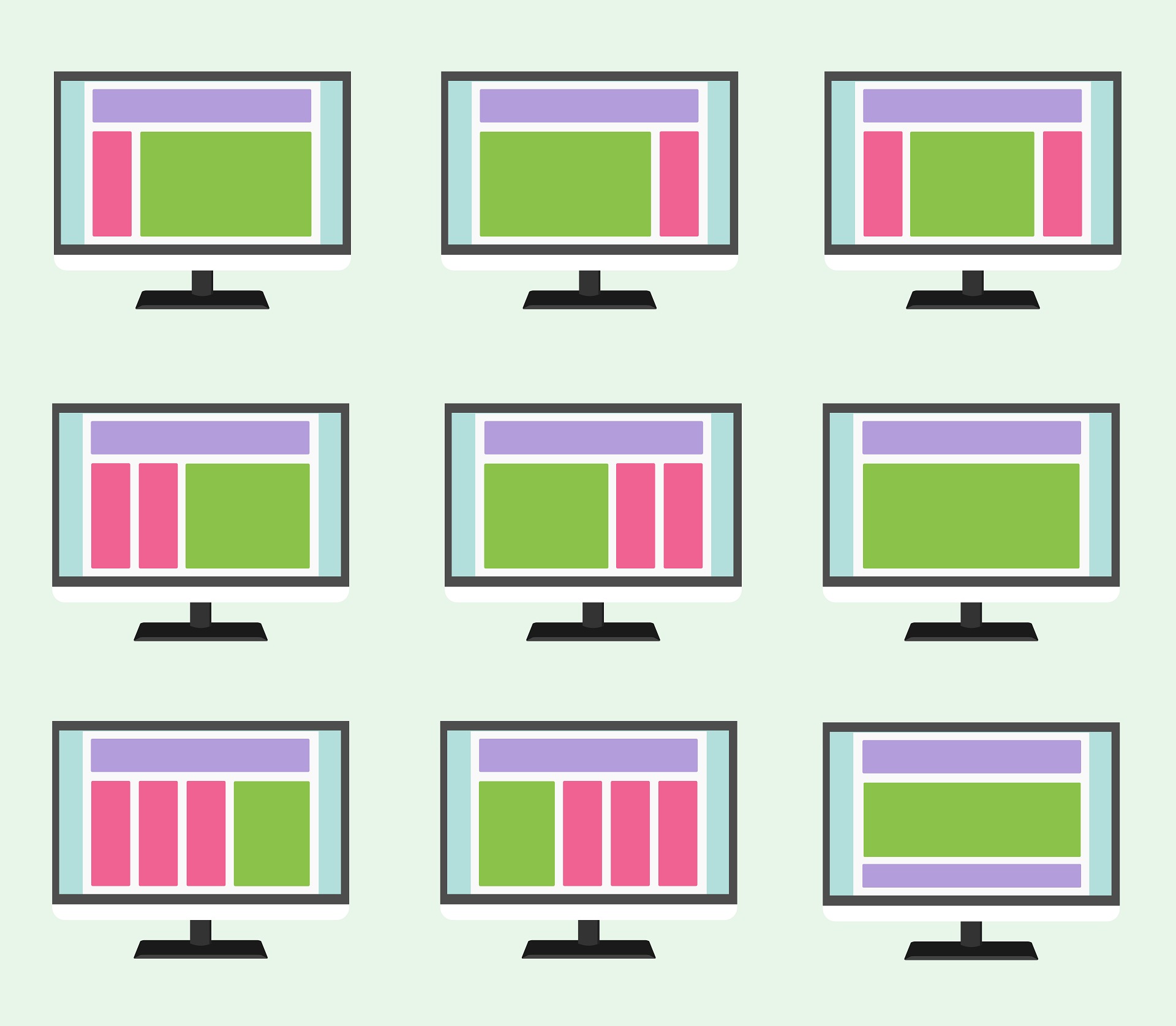
The End-to-End Business Workflow
Notice how customer enquiries transition systematically into internal execution across these examples:
[ Customer Enquiry ]  ──► Captured via website or WhatsApp
         │
         ▼
[ Quotation Generated ]  ──► Standardised pricing, branded PDF created
         │
         ▼
[ Client Approval ]  ──► Digital acceptance recorded
         │
         ▼
[ Work Scheduled ]  ──► Assigned to team member with clear deadlines
         │
         ▼
[ Progress Updates ]  ──► Internal milestone tracking and client communication
         │
         ▼
[ Job Completion & Invoice ]  ──► Automated sign-off and billing reconciliation
Before and After: The Impact of Organised Digital Systems
Comparing manual operations with an integrated digital workflow illustrates why systematic processes matter:
MANUAL, SCATTERED PROCESS               ORGANISED DIGITAL WORKFLOW
─────────────────────────────────       ─────────────────────────────────
Customer notes on paper slips    ───►   Centralised, searchable customer database
Quotations typed from scratch    ───►   Standardised quotes generated in minutes
Follow-ups dependent on memory   ───►   Automated status tracking and alerts
Stock levels checked by phone    ───►   Real-time multi-branch inventory tracking
Lost invoices and delayed cash   ───►   Immediate digital sign-off and invoicing
If your business is experiencing operational friction around quotations, project tracking, or customer communication, you can share your requirements through the enterprise form for a thoughtful assessment of your options.
Comparing the Main Solution Types
Selecting the appropriate digital tool begins with identifying your underlying business problem. The following comparison outlines the core differences between common digital implementations:
| Feature / Consideration | Basic Business Website | E-Commerce Website | Web-Based Business Management System | | :
Editorial note
Written by the Mavumium editorial team, focused on AI automation, quotation workflows, product knowledge systems, and customer support operations for commercial businesses.
Frequently Asked Questions
What is AI automation for website design & development?
It is the use of AI to handle repetitive enquiries, documents, or decision support so the team can respond faster and focus on higher-value work.
How does AI help website design & development move faster?
It reduces the time spent searching documents, checking products, drafting quotes, and asking the same follow-up questions again and again.
What should the business prepare first?
Clean product data, current pricing, approved documents, clear escalation rules, and a simple customer workflow are the best starting point.
Should every enquiry be automated?
No. The strongest setup automates the repetitive first response and hands unusual, sensitive, or high-value cases to a human when needed.
iFeature Availability & Custom Development
Please note that some of the features mentioned in our articles may be available only upon request and are not guaranteed to be standard on all account plans. This information is provided for educational purposes regarding AI capabilities. However, all mentioned features can be custom-developed by the Mavumium team to suit your specific business requirements. Contact us to discuss a tailored solution for your organization.
Reference points
Ready to scale?
Automate your lead generation with Mavumium.
Join hundreds of businesses using AI to handle inquiries and close more deals.
Related Articles
Website Pricing in Botswana: Official Packages & Development Costs Guide
Compare official website design and development packages in Botswana. Explore transparent prices from P3,250 for small business sites to ecommerce and custom digital systems by Mavumium.
How Can I Build a Website That Accepts Online Payments in Botswana?
Learn how to build a website that accepts online payments in Botswana. Discover subscription platforms, card gateways, and packages starting from P20,000.
How Much Does It Cost to Build a Website in Botswana?
Compare website design costs in Botswana. Explore transparent packages from P3,250 for small business sites to ecommerce and custom AI solutions.